Automotive TechnologyFeatured
How Computers Help Modern Cars
Computers have become the brain of today’s vehicles, enhancing safety, performance, comfort, and connectivity through sophisticated electronic systems.
Anonymous
2/17/2026
computersautomotivetechnologyvehicle electronicsmodern cars
Introduction
Modern cars are no longer just mechanical machines; they are sophisticated computers on wheels. Over the past few decades, electronic control units (ECUs) and software have transformed every aspect of vehicle design, performance, and user experience. This article explores the key ways computers help modern cars, from safety and efficiency to comfort and connectivity.
1. Engine Management and Fuel Efficiency
- Electronic Control Units (ECUs) monitor and adjust fuel injection, ignition timing, and air‑fuel ratios in real time. This precise control maximizes power while minimizing fuel consumption and emissions.
- Drive‑by‑wire systems replace mechanical linkages with electronic signals, allowing smoother throttle response and enabling advanced features such as launch control and cylinder deactivation.
2. Safety Systems
- Anti‑Lock Braking System (ABS) and Electronic Stability Control (ESC) use sensors and computers to modulate brake pressure, preventing wheel lock‑up and loss of traction.
- Airbag deployment relies on crash sensors and algorithms that determine the severity and angle of impact, ensuring airbags inflate at the right moment.
- Advanced Driver‑Assistance Systems (ADAS) such as adaptive cruise control, lane‑keeping assist, and automatic emergency braking process data from radar, lidar, and cameras to help the driver avoid collisions.
3. Powertrain and Hybrid Integration
- Hybrid and electric vehicles depend on sophisticated battery‑management systems (BMS) to monitor cell health, temperature, and state‑of‑charge, optimizing range and longevity.
- Regenerative braking uses computer‑controlled motors to capture kinetic energy and store it back in the battery, improving overall efficiency.
4. Infotainment and Connectivity
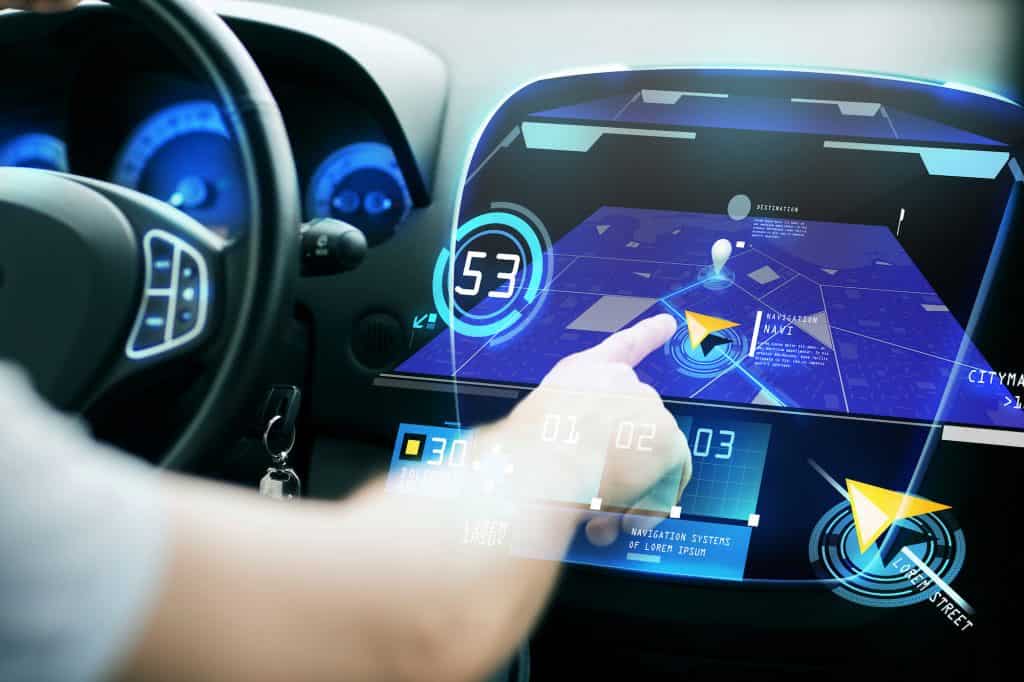
- Touchscreen interfaces provide navigation, media streaming, and vehicle settings, all powered by embedded processors.
- Telematics transmit vehicle diagnostics, location data, and software updates over cellular networks, enabling remote monitoring and over‑the‑air (OTA) upgrades.
- Smartphone integration (Apple CarPlay, Android Auto) allows drivers to access apps, messages, and voice assistants safely while on the road.
5. Comfort and Convenience
- Climate control systems use temperature sensors and predictive algorithms to maintain cabin comfort while reducing energy use.