F
FromTune
ArticlesTutorialsAboutContact
From Human Words to 0s and 1s: How Programming Languages Speak to Computers
generalFeatured

From Human Words to 0s and 1s: How Programming Languages Speak to Computers

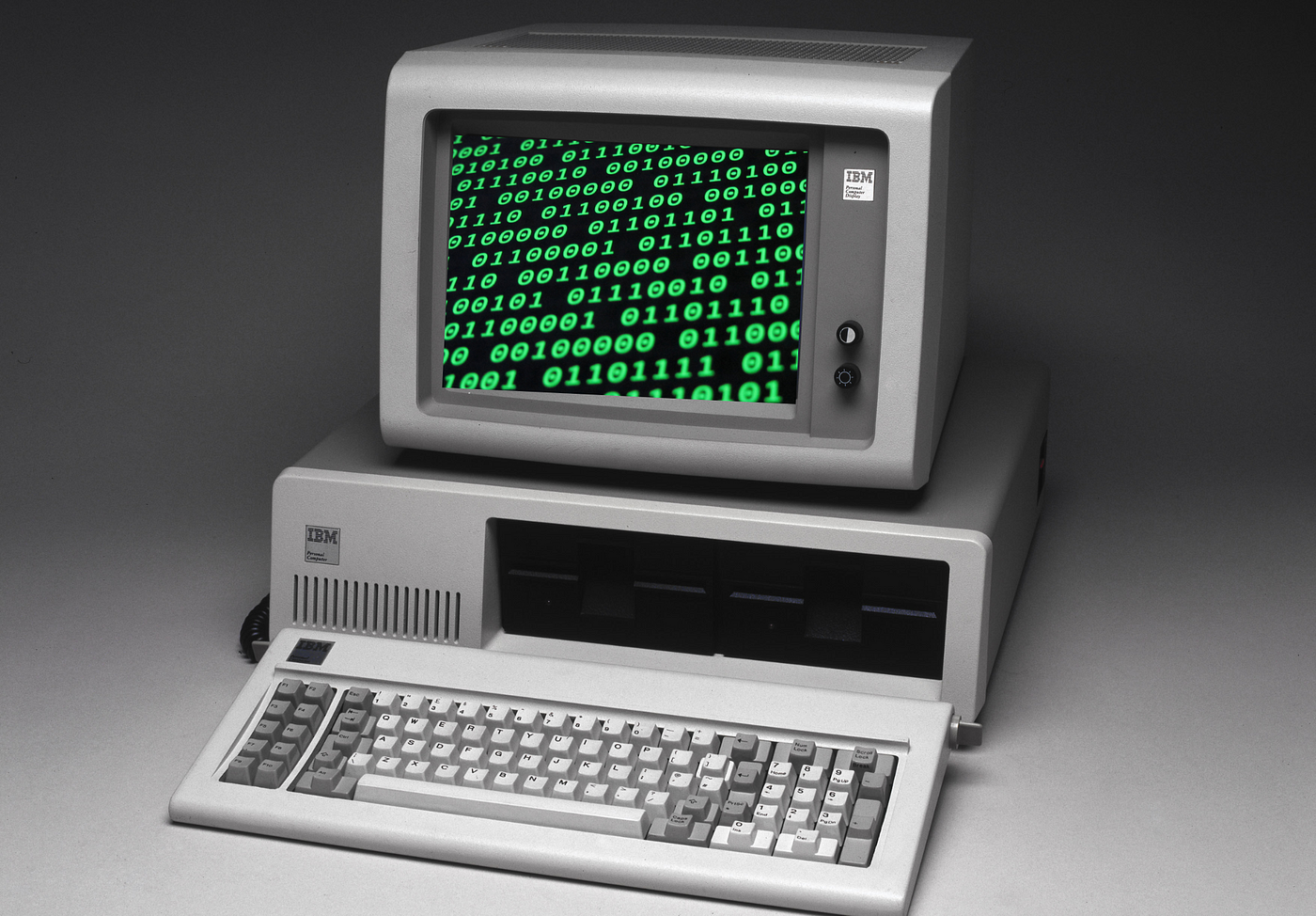
Computers only understand binary — 0s and 1s. So how does your Python or JavaScript code turn into something a machine can execute? In this deep dive, we explore machine language, programming languages, and how everything is converted into binary inside a computer.

Anonymous
2/15/2026
Machine LanguageBinaryProgramming LanguagesCompilerInterpreterAssembly Language

Introduction

When you write a simple line of code like:

print("Hello World")

It looks clean and easy to understand. But your computer does not understand words like print or Hello. A computer only understands binary — sequences of 0s and 1s.

So how does human-readable code become something the CPU can execute? To understand this, we must start from the lowest level of computing.


What is Machine Language?

Machine language is the lowest-level programming language. It is the only language that a computer's CPU can directly understand. Machine language consists entirely of binary numbers such as:

10101010 00001010 11001001

Each binary instruction tells the processor to perform a specific operation like:

  • Adding numbers
  • Moving data
  • Comparing values
  • Jumping to another instruction

Machine language is extremely fast and efficient, but it is very difficult for humans to read and write. That is why developers rarely write programs directly in machine language.


Assembly Language

To make programming easier, assembly language was introduced. Instead of writing pure binary, programmers use short words called mnemonics.

For example:

MOV A, B
ADD A, 1

An assembler is a program that converts assembly language into machine code. Assembly language is still very close to hardware, but it is more readable than raw binary.


High-Level Programming Languages

Modern programming languages like Python, Java, C, C++, and JavaScript are called high-level languages. They are designed to be easy for humans to understand and use.

For example:

x = 5 + 3
print(x)

This looks simple, but it is very far from the binary instructions the CPU understands. Therefore, these languages require translation before execution.


Compilers and Interpreters

There are two main ways high-level code becomes machine language: compilers and interpreters.

Compiler

A compiler translates the entire program into machine code at once. It produces an executable file that can run directly on the system. Compiled programs usually run very fast because the translation step is completed before execution.

Interpreter

An interpreter translates and executes code line by line. It does not typically produce a separate executable file. Instead, it converts each instruction into machine code as the program runs.

Even interpreted languages eventually produce machine-level instructions before the CPU executes them.

F
FromTune

Empowering developers with cutting-edge insights and practical tutorials for modern web development.

Content

  • Articles
  • Tutorials
  • Guides
  • Resources

Categories

  • React & Next.js
  • TypeScript
  • AI & ML
  • Performance

Connect

  • About
  • Contact
  • Newsletter
  • RSS Feed

© 2025 FromTune. All rights reserved.

Privacy PolicyTerms of Service
Computer Architecture
CPU
Low Level Programming
How Computers Work
FromTune

How Everything Becomes Binary

Inside a computer, everything is represented in binary form.

Numbers

Decimal numbers are converted into binary equivalents. For example:

5 in decimal becomes 00000101 in binary.

Characters

Characters are converted using encoding systems such as ASCII.

For example:
A = 65 in decimal = 01000001 in binary

Instructions

A machine instruction contains an operation code (opcode) and operands. The CPU reads these binary patterns and performs the required actions.

This process happens through the fetch-decode-execute cycle. The CPU:

  1. Fetches an instruction from memory
  2. Decodes it
  3. Executes it

This cycle happens billions of times per second.


Why Binary Is Used

Computers use binary because of how hardware is designed. At the core of every processor are billions of tiny electronic switches called transistors.

A transistor has two possible states:

  • ON
  • OFF

These two states are perfectly represented by 1 and 0. Because digital circuits naturally operate with two states, binary is the simplest and most reliable way to represent data and instructions.


The Journey of Your Code

When you write a program, the process looks like this:

  1. You write code in a high-level language.
  2. A compiler or interpreter translates it.
  3. It is converted into assembly instructions.
  4. The assembler converts it into machine code.
  5. Machine code is stored as binary.
  6. The CPU executes the binary instructions using electrical signals inside transistors.

All of this happens in milliseconds.


Why This Matters

Understanding how programming languages convert into machine language helps developers write more efficient programs. It also improves debugging skills and gives deeper insight into how memory, processors, and operating systems work.

Even if you mainly build websites or mobile apps, knowing what happens behind the scenes makes you a stronger and more knowledgeable developer.


Conclusion

Programming languages act as a bridge between human thinking and machine execution. Humans think in words and logic. Computers operate using electrical signals represented as binary digits.

Every application, website, and game ultimately runs as 0s and 1s processed at incredible speed. Behind every modern software system lies a foundation of simple binary instructions switching between on and off states.

That is the hidden foundation of computing.